Introduction
Design thinking is a method of thinking that puts creativity, experimentation, and collaboration front and centre. The aim is not just to solve a problem but to create a solution that is not only functional but also something that users genuinely desire. The design thinking process is iterative, which means it involves constant feedback and fine-tuning to reach the best possible outcome. This approach involves following a set of steps that can be customised for any design challenge.
link to echoes sound walk https://explore.echoes.xyz/collections/6J7NxvuUPETrXpbA
Empathise
Starting off my research, I was excited to delve into various topics that piqued my interest. I wanted to explore areas that spoke to me on a personal level and ones where I believed I could apply myself best. I began my research journey with the following topics: Mindfulness and Wellbeing: Ancient Paradigms and Modern Methodologies, An Inconvenient Truth: Visions of the Future, The Future is Human: Rise of the Machines, Disinformation: Knowledge and Ignorance, and Dreams and Psychodelia: Beyond Limitations.
As I continued my research, I found myself gravitating towards the topic of dreams and psychodelia. I was drawn to this topic as it allowed me to empathize with the user on a deeper level by understanding their innermost thoughts, feelings, and desires. Through empathizing with users, my goal is to create music that resonates with their deepest emotions and turn their dreams and psychedelic experiences into reality.
The topic of dreams and psychodelia is both fascinating and intriguing. It allows for a deeper exploration of the mind, unlocking the limitless potential hidden within our innermost thoughts. Through research, I discovered the power of music in creating a deeper emotional connection with the user. By using music, I aim to create an experience that resonates with the user, unlocking their innermost thoughts and allowing them to dive into a world beyond their limitations.
In conclusion, my research journey began with exploring different topics that spoke to me. However, it was the topic of dreams and psychodelia that resonated with me the most. The ability to empathize with users and create an emotional connection through music is something that deeply inspires me. I hope that through my research, I can continue to unlock the potential of the human mind, creating a world beyond our wildest dreams.
Define
During my research, I came across many types of dreams that I had never heard of before. Some of the most common types of dreams include the standard dream, which is just a regular dream that we experience almost every night. Then there are nightmares and night terrors, which can be frightening and cause us to wake up in a panic.
Lucid dreams are a type of dream where the dreamer is aware that they are dreaming and can sometimes control the events of the dream (Voss, U. et al. 2009). Daydreams are a form of waking dreaming that happen during the day, often when we are bored or idle.
Recurring dreams are dreams that repeat themselves over time and are often associated with unresolved emotional issues or traumas. Healing dreams and prophetic dreams are more mystical types of dreams, with the former being believed to promote emotional and physical healing, and the latter being seen as messages about future events (Weinstein et al. 2018, Elmer, J 2020).
One type of dream that stood out to me was the false awakening. It’s a type of dream where a person believes they’ve woken up but haven’t. False awakenings can be confusing and disorienting, as the dreamer may go about their normal routine before realizing they’re still asleep.
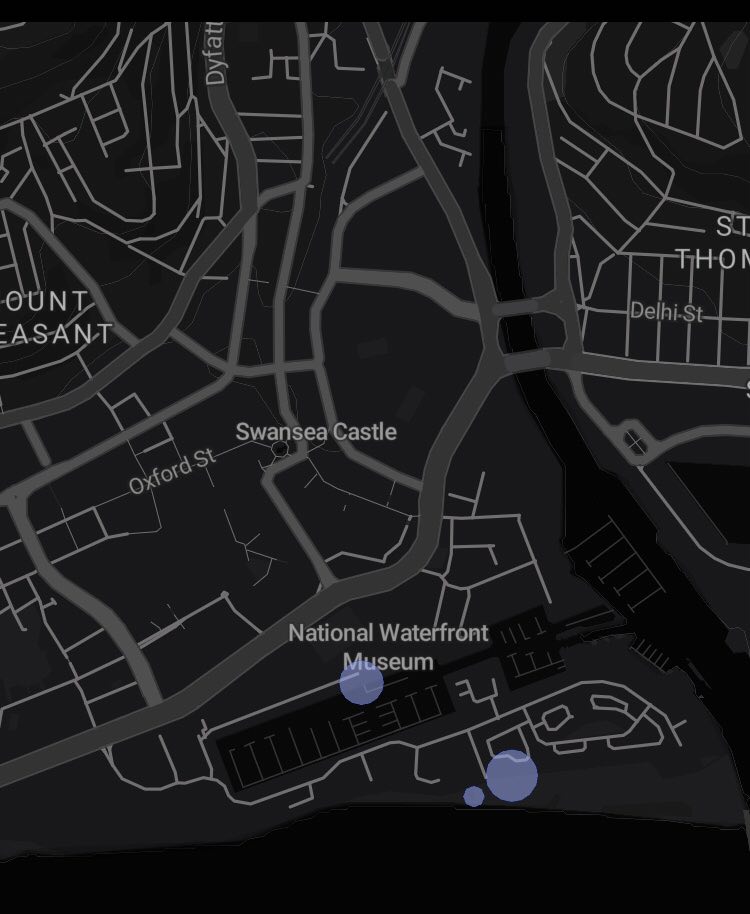
Interestingly, false awakenings have been noted to occur alongside lucid dreams and sleep paralysis (Kelley, T.L. 2023). Sleep paralysis is a condition where the mind wakes up, but the body remains paralyzed, often leading to feelings of being trapped or suffocated.Once I discovered more about false awakenings, I felt compelled to use them as a source of inspiration to compose a piece of music intended to reflect the ebb and flow of dreaming. Additionally, I had been surveying potential locations to base my work, and I stumbled upon a beautiful place at Swansea’s Marina, overlooking the ocean and nestled among sand dunes. I felt this would be the kind of location where someone experiencing a false awakening dream might visit.
Ideate
When it comes to creating a unique and immersive audio experience, choosing the right location is key. I knew I needed to find a place that would inspire me and provide the perfect backdrop for my project.
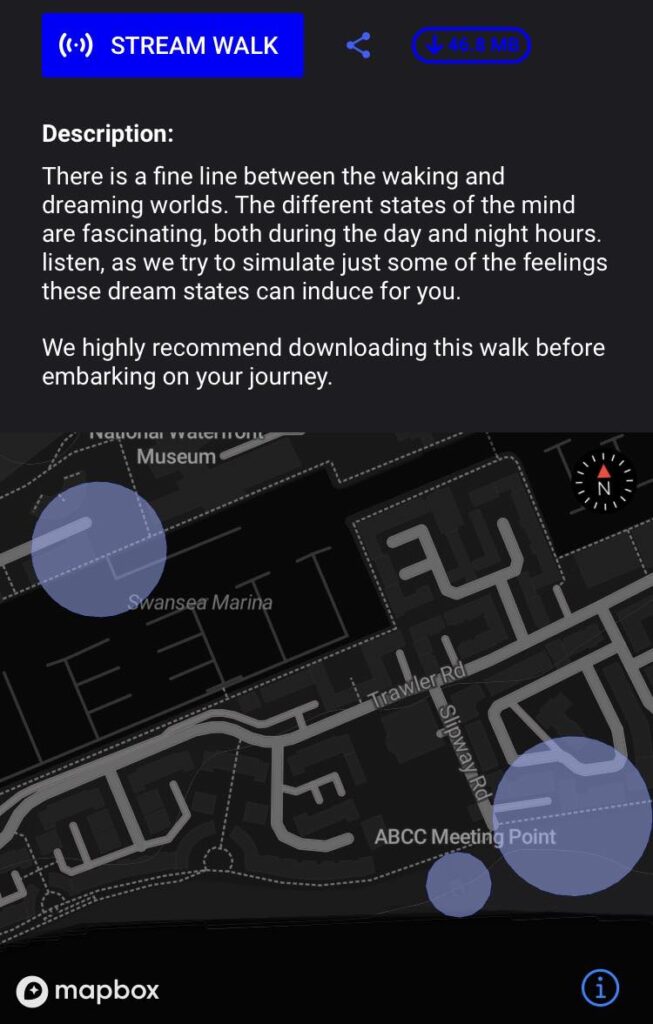
But before I could begin, I needed to make sure that the location had suitable GPS reception. my project involved using an app called Echoes that would trigger a piece of music based on the user’s location. I had to upload a short audio sample to the app and test it out to make sure everything was working smoothly.
On my second visit to the location, I was able to test the GPS and confirm that it was working as expected. With that out of the way, I could focus on the most important aspect of the project – the music.
As I did some more research and got ready start working on the music, I realized that my target audience was likely to be younger people looking for a way to escape from reality for a little while. They wanted to be transported to a dreamlike state and experience something truly immersive.
With this in mind, I focused on creating a musical journey that would take the listener on a magical, dreamlike adventure. The music had to be soothing, yet captivating – something that would keep the listener engaged and help them forget about the world around them.
As I worked on this project, I realized that finding the perfect location is only part of the equation. You also need to understand your audience and what they are looking for. With the right combination of location, technology, and music, you can create something truly amazing – an experience that will leave a lasting impression on anyone who tries it.
Prototype
When it comes to creating music, there are a lot of different factors to consider. but perhaps one of the most crucial elements is the sound itself. As a musician, I always want my music to sound organic and authentic, and so when I was tasked with creating a piece of music to accompany a stunning ocean view location I had picked out, I knew I needed to find a way to incorporate those natural elements into my sound.
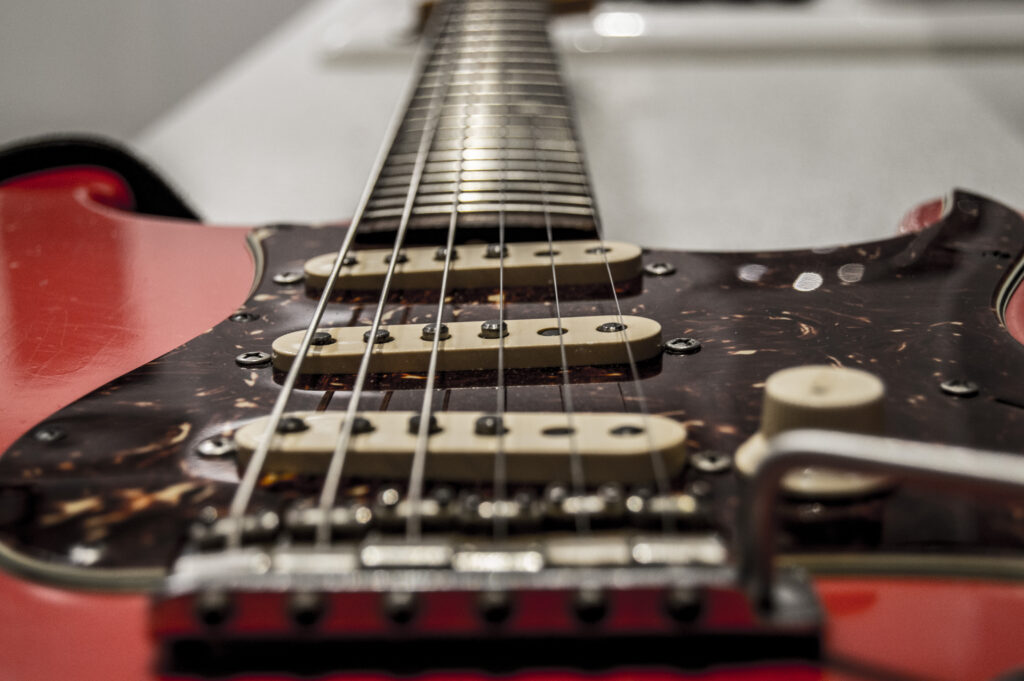
I began by sitting down and thinking what would a dream sound like in music form in my head?. I could hear a spacey quality to it, something that would add to the already ethereal beauty of the location. To achieve this, I knew that I couldn’t rely on digital sounds or effects. Instead, I turned to my guitar, using a clean amplifier and adding two long stereo analogue delays to create a sense of space in the sound. I also added a spring reverb and analogue chorus to create a sense of movement, with the hope that it would mimic the sound of the ocean in the background.
As I worked, I found myself experimenting with different ideas and sounds, trying to capture the sense of unpredictability that comes with a dream state. I wanted the music to change and evolve, just like a dream does as it progresses in the listeners’ minds. However, I also wanted to create recurring themes that would pop up, adding to the sense of disorientation and confusion that often accompanies dreams.
In the end, I was really happy with the final piece of music I created. It had a dream-like quality to it, with echoing harmonics and unpredictable changes in tonality that kept would hopefully keep the listener engaged. But perhaps most importantly, it captured the organic, natural beauty of the location, creating a perfect complement to the stunning ocean view before the listener.
Test
Its finally time to bring this creation to life. One of the most crucial steps in this process is testing the composition in real-life scenarios.
That is precisely what I did. I felt satisfied and content with my work, so I knew it was time to put it to the test. I asked a few people to listen to my music and provide feedback regarding their experience in the specific location.
The results of my first test came back positive and incredibly encouraging. However, the only negative aspect mentioned was the possibility of the piece being a bit too long. I had two choices. I could either choose to cut the length of the composition or keep it as it was.
After careful consideration and deliberation, I decided to keep the length of the piece as it was. I had ingrained a sense of movement and progression consciously into the music, and changing the composition’s length would take that away.
It was also essential to remember that the people testing my music and location were not necessarily my target audience. It can be challenging for them to appreciate the depth and intricacies of what I was trying to achieve.
In conclusion, Testing it in a real-life setting is crucial to get the right feedback and ensure a piece of music’s success. And making decisions regarding those suggestions is essential to keeping the composition’s integrity and vision intact.
Conclusion
To sum up, the design thinking process is widely regarded as a valuable approach to developing innovative and user-focused solutions through iterative steps such as empathizing, defining, ideating, and prototyping. While this process is generally effective, I find it to be irrelevant for music creation. Unlike a logical and sequential approach, musicians often begin at the end or in the middle of the creative process, making music an emotional journey based on personal feelings and judgments of sound.
References
Elmer, J. (2020) 10 types of dreams and what they may indicate, Healthline. Available at: https://www.healthline.com/health/types-of-dreams#other-types (Accessed: 02 May 2023).
Kelley, T.L. (2023) The 10 different types of dreams, Sleepopolis. Available at: https://sleepopolis.com/education/the-10-different-types-of-dreams/ (Accessed: 02 May 2023).
Voss, U. et al. (2009) ‘Lucid dreaming: A state of consciousness with features of both waking and Non-Lucid Dreaming’, Sleep, 32(9), pp. 1191–1200. doi:10.1093/sleep/32.9.1191.
Weinstein, N., Campbell, R. and Vansteenkiste, M. (2017) ‘Linking psychological need experiences to daily and recurring dreams’, Motivation and Emotion, 42(1), pp. 50–63. doi:10.1007/s11031-017-9656-0.